

According to the World Happiness Report, Finland is the #1 happiest country in the world, with its Nordic neighbors—Denmark (2nd), Iceland (3rd), Sweden (4th), and Norway (7th)—consistently securing top positions. This isn’t a fluke. It’s the result of deliberate policies, cultural values, and societal structures. Today, I want to explore why these countries excel in happiness and what lessons the rest of the world can learn from their success.
I should note that I am neither Finnish nor Scandinavian. I live in Europe and have visited these countries multiple times, so my analysis is that of an external observer. To ensure accuracy, I’ve also consulted Scandinavian friends who reviewed this article.
Finland’s #1 top ranking is no accident. Scandinavian countries are renowned for their robust social security systems, which provide citizens with a safety net that few other nations can match. However, this security comes at a cost: some of the highest tax rates in the world. This trade-off raises an important question: How much security is too much, and how much freedom is too little?
On one hand, excessive regulation can feel intrusive, stifling personal freedom and creating a sense of bureaucratic overreach. On the other hand, too much freedom—without adequate safeguards—can lead to societal instability, as human nature isn’t always inclined toward fairness or cooperation.
\The United States (ranked 24th in the World Happiness Report) serves as a stark example of this dynamic. The U.S. prioritizes freedom, low taxes, and deregulation, embodying the “American Dream” of limitless opportunity. On one hand, this approach has attracted immense wealth into the country, creating some of the wealthiest people in the world. Yet, it has also resulted in some of the highest rates of homelessness, mental health crises, incarceration, and obesity in the developed world.
Scandinavian countries, by contrast, strike a balance. They have fewer extremely wealthy and poor individuals, and their citizens enjoy a higher baseline of well-being. This reduces economic disparity, creates stability, and fosters trust, which benefits even the wealthy by minimizing the societal volatility seen in countries like the U.S. After all, when people suffer, they directly or indirectly make others suffer too, by engaging in negative activities such as gambling, littering, violating social norms, vandalism, and drug use—behaviors that still exist in countries like Finland but to a much lesser extent.
Work-Life Balance: Quality Over Quantity
One of the most striking differences between Finland and countries like the U.S. is the approach to work. Finns prioritize the quality of hours worked over sheer quantity. They avoid the culture of overworking, which is known to lead to burnout, lower average productivity, and diminished well-being. Instead, Finns work efficiently during their designated hours and then disconnect, allowing them to pursue personal interests, hobbies, and relationships.
The climate may play a role here. In colder countries like Finland, people are naturally inclined to spend more time indoors, which can translate into greater focus on work. This contrasts with warmer countries like Spain, where the allure of outdoor activities can make it harder to stay indoors and concentrate on tasks. That said, studies suggest that weather has surprisingly little long-term impact on well-being, as people adapt to their environments, whether cold or warm.
What truly matters is financial security. Finns have “enough”—not excessive wealth, but sufficient resources to live comfortably and pursue meaningful lives without constant worry. This stability is one of the cornerstones of their happiness.
Beyond the Rankings: The Nuances of Finnish Happiness
While the World Happiness Report consistently ranks Finland as the happiest country in the world, it’s important to recognize that happiness is a complex and multifaceted concept. The report primarily focuses on metrics like financial well-being, social support, and institutional trust, but it doesn’t capture everything. For instance, if happiness were measured by how often people smile or express outward joy, the rankings might look very different.
Countries like Spain (38th), Thailand (ranked 49th), Latin American nations (averaging around 52nd), and even Bhutan (95th) are known for their warm, expressive cultures, where people frequently display happiness through smiles, laughter, and vibrant social interactions. If we were to redo the World Happiness Report based on these criteria, these countries would likely climb much higher in the rankings.
On the other hand, Canada (currently 18th) is often perceived as a country of kind, positive people with strong economic stability. Yet, Canadians themselves might tell you that their politeness doesn’t always reflect deep personal contentment. While they are often warm and welcoming toward outsiders, they tend to be quiet and reserved among themselves. This dynamic is further complicated by their proximity to the U.S., a relationship they often reflect on—sometimes with frustration or resignation—as the cultural and political influence of their powerful neighbor inevitably shapes their national mood.
Now, let’s return to Finland. It’s not a country particularly known for its overt displays of happiness. If you walk through the streets of Helsinki or any Finnish town, you won’t necessarily see people beaming with joy or engaging in lively public interactions. Finnish culture is famously reserved—people tend to be quiet, introspective, and value their personal space. This cultural trait is often misunderstood by outsiders who associate happiness solely with outward expressions of emotion.
There are also practical challenges to life in Finland that complicate its “happiest country” status. The country is small, with vast distances between cities and towns. The weather is cold for much of the year, with long, dark winters that can be mentally taxing. While Finns have adapted to these conditions—embracing concepts like sisu (resilience) and finding comfort in nature—it’s undeniable that the lack of sunlight, isolation, and harsh climate contribute to issues like seasonal depression, higher suicide rates, and social withdrawal.
Additionally, Finns are often described as shy, especially in social settings with strangers. This shyness can sometimes lead to coping mechanisms that aren’t necessarily healthy. For example, alcohol consumption in Finland is relatively high, and there’s a cultural tendency not only to drink but also to mix different types of alcohol in ways that are often discouraged elsewhere. This behavior is sometimes used as a way to overcome social inhibitions and combat the reserved nature of Finnish social interactions. This isn’t unique to Finland—many cold-weather countries face similar challenges—but it’s an important nuance to consider when discussing happiness.
The #2 Happiest Country in the World: Denmark
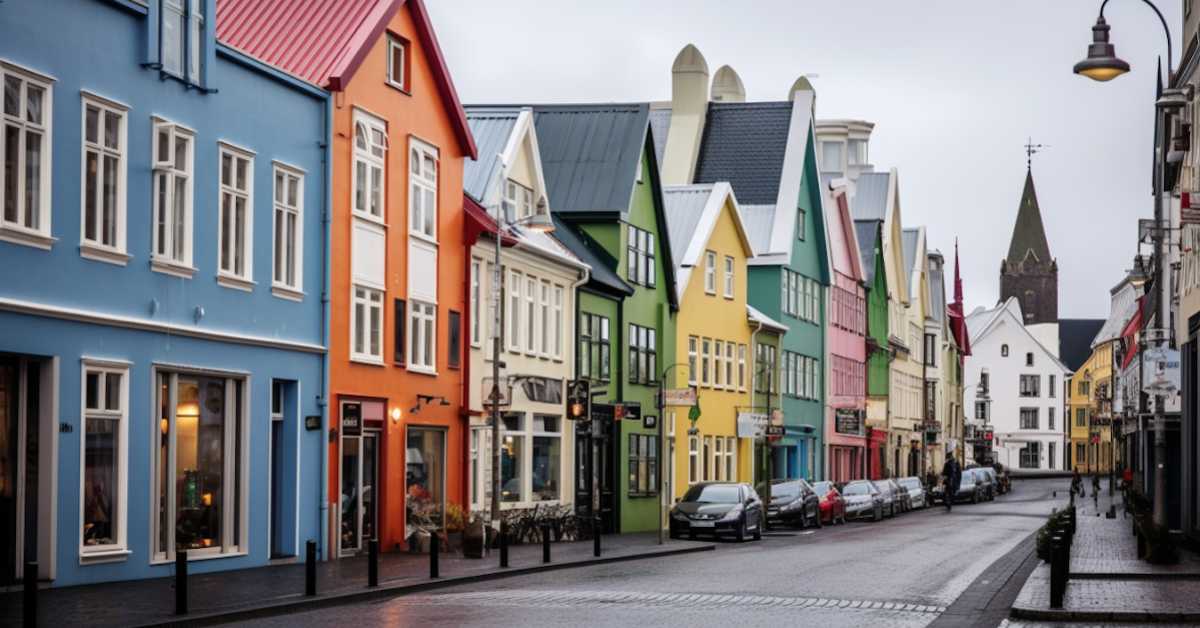
Denmark, which is consistently ranked as #2 happiest country in the world, adds another fascinating dimension to this discussion. For years, Denmark has strived to claim the top spot, yet despite its best efforts, it has been unable to surpass Finland. The reason is simple: Finland excels in nearly every area where Denmark already performs exceptionally well—just a little bit better.
The Danes have even popularized the concept of “hygge“—a cultural philosophy centered around coziness, comfort, and contentment in simple pleasures. In many ways, Danish happiness mirrors Finnish happiness, with an emphasis on work-life balance, strong social welfare, and a deep sense of community.
However, while Denmark is often grouped with Scandinavia, it is geographically closer to Central Europe, sharing cultural and political ties with countries like Germany and the Netherlands. Yet, for centuries, Denmark has exerted a significant influence over Norway and Sweden, almost as if it served as a cultural and political bridge between the Nordic countries and the rest of Europe. This deep interconnectedness has played a pivotal role in shaping the region’s shared values and policies, ultimately contributing to their collective success in global happiness rankings.
Finland’s history further complicates its identity. Unlike Denmark, which has long been tied to Europe, Finland was once part of Russia and only gained independence in 1917. This history has left a lasting imprint on Finnish culture, which is in many ways unrecognizable from its Russian past. Today, Finland is a thriving, independent nation with a unique blend of Nordic and Eastern influences. Before the war in Ukraine, Finland was a popular destination for Russian tourists, but geopolitical tensions have since altered that dynamic.
Education in Finland
One of my biggest criticisms of the global world order is the fact that our education systems remain largely unchanged since the 1950s, when society was still deeply rooted in the industrial age. Schools continue to operate on outdated principles—rigid schedules, standardized testing, rote memorization, and a one-size-fits-all approach—that no longer align with the needs of modern students or the demands of the 21st century. This is where Finland stands out as a remarkable exception.
Finland has been one of the first countries to actively distance itself from this antiquated model. Instead of focusing solely on academic performance and test scores, Finnish education prioritizes creativity, critical thinking, equity, and student well-being. Classrooms are designed to foster collaboration rather than competition, teachers are given autonomy to tailor their methods to individual students, and children are encouraged to explore their interests rather than conform to rigid curricula. There is minimal homework, no high-stakes testing until later years, and a strong emphasis on play, arts, and physical activity—especially in the early years. The system trusts educators, who are highly trained and respected, to guide students toward becoming curious, independent thinkers rather than passive recipients of information.
This progressive approach may very well explain why Finland consistently outperforms other nations not just in happiness, but also in educational rankings. By reducing stress, nurturing individuality, and treating education as a holistic experience rather than a factory-line process, Finland has created an environment where students—and, by extension, future citizens—thrive.
That said, while Finland has made significant strides in reforming education, I still believe there is room for improvement, both in Finland and worldwide. For instance, the system could place even greater emphasis on emotional intelligence, financial literacy, and real-world problem-solving skills. Additionally, lifelong learning opportunities for adults could be expanded to ensure that education remains adaptive in a rapidly changing world. If Finland—and other countries—continue to innovate in these areas, we could see a dramatic increase in global happiness, as education would finally align with what truly matters: helping individuals lead fulfilling, meaningful, and happy lives rather than simply preparing them for the workforce.
Balanced Life and the Middle-Class Squeeze
There’s a well-documented concept in economics and psychology that states: money matters for happiness, but only up to a point. Studies, including the famous Princeton study from 2010, suggest that happiness increases with income up to an annual threshold of around $75,000 (a figure that, admittedly, should be adjusted for inflation and changing nature of times). Beyond that, additional income has diminishing returns on well-being. This creates a fascinating U-shaped curve when it comes to happiness and income:
Low-income individuals often report surprisingly high levels of happiness, not because they are content with having little, but because they don’t expect more. Their lives are focused on basic needs, community, and simple pleasures, and they are less exposed to the pressures of consumerism or social comparison.
Middle-income earners, however, face the greatest dissatisfaction. They have enough to live comfortably but not enough to access the luxuries or security enjoyed by the wealthy. This creates a constant state of comparison, stress, and the feeling of “not enough”—always striving for more, yet never quite reaching the level of comfort or status they perceive in others. The middle class is squeezed between aspiration and reality, leading to chronic stress, overwork, and a sense of inadequacy.
High-income individuals, once their basic needs and security are met, often experience higher levels of happiness—not because money itself brings joy, though it does to some extent, but because it eliminates stressors like financial insecurity, health concerns, and lack of time, while also providing greater freedom in how they live their lives. That said, wealth alone does not guarantee happiness, as evidenced by the well-documented struggles of many celebrities who, despite their riches, still grapple with depression, heartbreak, substance abuse, and even suicide. Ironically, many people continue to believe that wealth is the ultimate solution to their unhappiness.
Finland’s society offers a compelling case study in this dynamic. The country’s strong social welfare system ensures that most citizens fall into a stable middle-class bracket, but unlike in many other nations, Finns are less obsessed with climbing the economic ladder. Because the gap between the richest and poorest is relatively small, and because basic needs (healthcare, education, housing) are universally met, Finns are less driven by material ambition and more focused on quality of life, work-life balance, and personal fulfillment. They have “enough”—not in the sense of settling for less, but in the sense of not being consumed by the pursuit of more.
EU Influence & Finnish Happiness
It’s worth noting that Finland and its Scandinavian neighbors are all part of the European Union, which has played a pivotal role in their well-being. EU policies—particularly those emphasizing regulation, social welfare, and economic cooperation—have significantly contributed to the stability and prosperity of these nations.
First and foremost, EU membership has provided Finland with economic security and political stability. As part of the EU, Finland benefits from a single market that facilitates trade, investment, and labor mobility, reducing economic volatility and creating opportunities for sustainable growth. Additionally, the EU establishes binding laws and standards that member states must follow, preventing short-sighted or harmful policies—such as deviations from democratic values—that could undermine long-term stability.
Beyond economics, the EU offers Finland a critical buffer against geopolitical instability. This is especially relevant today, as tensions with Russia, economic uncertainties, and global conflicts threaten the well-being of nations outside such protective alliances. For Finland, the EU represents more than just an economic union. It is a shield against the kind of turmoil that erodes happiness.
Finland’s story offers a blueprint for nations where people don’t just survive, but truly thrive. In a world increasingly marked by division and uncertainty, Finland’s example—strengthened by its EU membership—serves as a beacon of what is possible when a society commits to investing in the happiness of all its citizens.
Final Thoughts on Finland #1 Ranking
In summary, while Finland’s top ranking in the World Happiness Report is undeniably impressive, it’s essential to look beyond the numbers. Happiness in Finland isn’t about constant smiles or an absence of challenges. Instead, it’s about stability, resilience, and a societal structure that prioritizes the well-being of all citizens.
Critics argue that not every aspect of Finland’s model is universally applicable, and in some ways they are right, while at the same time this reluctance to adopt similar policies is precisely why other countries lag behind in happiness. Yet, even Finland isn’t perfect, as it hasn’t fully prioritized citizen happiness as its primary political goal. Instead, its focus remains largely on economic well-being, which, while necessary, could be supplemented by policies explicitly designed to maximize happiness for the greatest number of people, rather than just financial metrics.
In a way, Finland got lucky: it did the right things, and it worked out exceptionally well (someone had to be first). I say this not to criticize, but to highlight that Finland’s success isn’t the result of a deliberate, all-encompassing pursuit of happiness. Rather, it’s a byproduct of broader policies that happened to align with well-being.
That said, this analysis of happiness in Finland is far from exhaustive. Instead, I’ve focused on what I consider the most critical factors—both in terms of maximizing global happiness and well-being and in understanding Finland’s unique contributions to this conversation. Given these strengths, it will likely take many years before Finland is overtaken as the world’s happiest country—even by Denmark or its other Scandinavian neighbors. For now, Finland stands as a benchmark, demonstrating how societal stability and citizen-centric governance can foster an environment where happiness truly thrives.
And yet, we can do so much more. The potential to create a happier world is limitless, and this is exactly what I explore in this blog. If this post resonated with you, keep reading, keep engaging, and let’s take action—together—to build a happier life for ourselves and for everyone around us. The journey starts here.
Stay happy!














2 thoughts on “Happiness in Finland: The World’s #1 Happiest Country”
The countries mentioned above have really the highest standing for success, scenery and family ties. Just that so hard for me even to get a visa. But still, such beautiful countries.
Insightful write up