
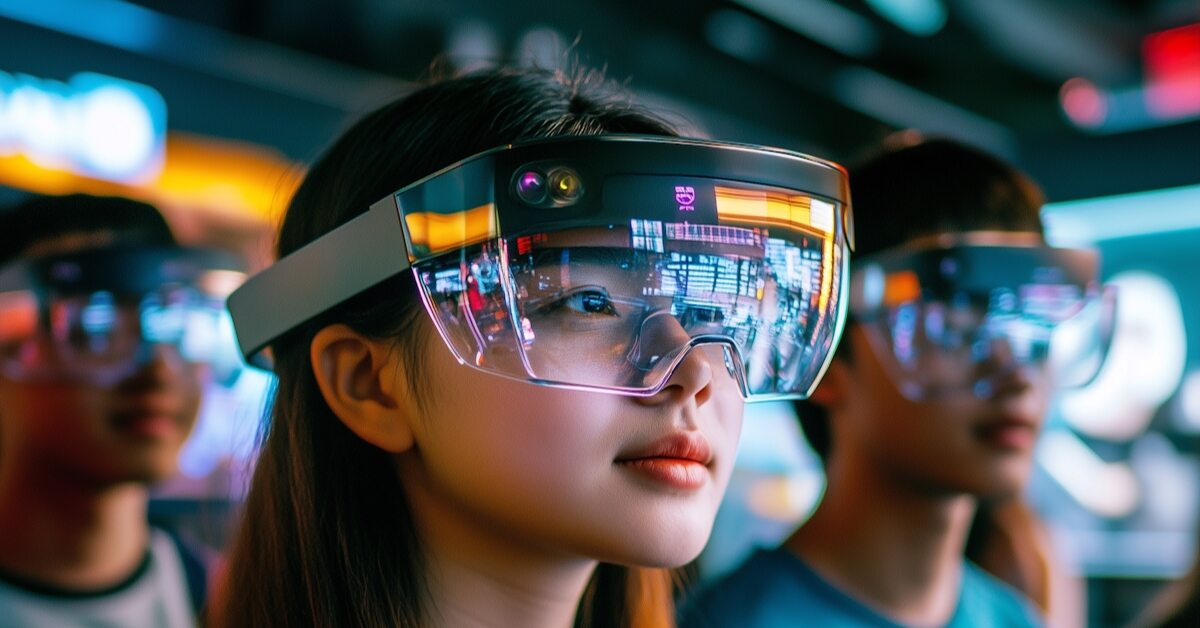
I’ve already written several articles exploring how AI impacts our happiness from various angles. However, as we begin a new year and look ahead, it’s worth revisiting these ideas in a concise way. AI is transforming, disrupting, and improving many industries, so it’s fascinating to consider how it already affects, and will continue to shape, our sense of well-being and happiness.
1. AI Is Not Yet a Therapist
In a previous post, I ran a test: I asked AI some generic happiness-related questions, similar to those I often hear in my practice. The responses were just as generic as what you’d find online, lacking the specialization and nuance needed for a deeper, more tailored approach.
So, for now, AI simply isn’t advanced enough to replace the role of a professional therapist—or a coach, as in my case and the focus of this blog. That day may come soon, but it hasn’t arrived yet.
2. Talking to AI Is Becoming Normal
Despite the limitations mentioned above, people worldwide are increasingly turning to AI as a personal therapist. They confide in it, share their secrets, and seek advice, often finding the interaction genuinely therapeutic. For some, AI even becomes a confidant, friend, or romantic partner, sometimes revealing things they wouldn’t feel comfortable sharing with anyone else.
However, this trend raises serious concerns. Relying on AI for emotional needs can hinder the development of essential human skills, such as forming real, meaningful connections. As I’ve long observed, digital interactions—whether through text, calls, or social media—cannot replace face-to-face connection. Our psychology is wired for in-person interaction, and without it, even constant online communication can leave us feeling isolated and depressed.
As such, while big tech companies promise a better future—one where technology makes our lives more efficient and fulfilling—they often achieve the opposite—more confused, dependent, unhappy, and lost—unable to pinpoint why this is the case.
So, while AI can offer useful advice, it is not yet specialized enough to replace human therapists, human beings, or the richness of human experience. If AI does eventually give you more free time (and hopefully more money), my recommendation is this: Don’t spend it on more AI, more tech, or more isolation. Instead, use it to be more human—do more human things with other humans.
3. The New World and Work Order with AI
AI is already reshaping the job market, disrupting entire industries on a continuous basis. Fields like the arts, graphic design, web design, and customer support are experiencing major changes. Of course, there are still plenty of people doing these jobs, precisely because of the nuances AI can’t address. But the question remains: How long will this last?
In the past, technology eliminated specific jobs, like elevator operators or phone receptionists, but people could adapt by moving into new roles. Today, entire industries are being transformed, and not everyone will be able to keep up.
This shift will likely lead to a global redistribution of wealth, with those who control AI reaping the majority of the benefits, leading to even greater sense of inequality, which will undoubtedly impact our collective sense of happiness and well-being.
4. AI, Functionality, and the Beauty of the World
Still, AI is making many aspects of life better. For example, this blog—and my work—benefits from AI tools that help with proofreading, generating images, and more. While AI still can’t replace the human touch in writing (it produces terrible blog content on its own), it enhances efficiency in countless ways.
The world is moving faster, becoming more dynamic and efficient. The challenge for us is to keep up. We can’t afford to stand still or wait for change, we must push ourselves, whether in the gym, in learning, or by adopting better tools. In many ways, this blog and my coaching are designed to meet that need. Our ability to adapt and grow in this evolving world depends on it.
5. AI-Anxiety and the Future of Happiness
Of course, AI is still limited in its functionality. We’ve already discussed its shortcomings as a therapist, but it’s also terrible at remembering our personal preferences, maintaining detailed profiles, and tailoring responses to our individual needs.
Yet, as we move into the future, things are only expected to get better, more complex—and, in many ways, worse. AI will make our lives both better and more challenging. I hope you’ll be able to keep up. Unfortunately, large parts of the world won’t, which may eventually demand a new world order, especially if things take a dystopian turn.
For now, we’re dealing with AI-related anxiety—a new term, but one we’d better get used to. We’re living through the changes AI is creating, changes that are growing exponentially. One thing is certain: tomorrow—literally tomorrow, not a year from now—will be substantially different from today. And a year from now? That will be a different world entirely.
So, as we step into 2026, I wish everyone all the best and, hopefully, a happy life in this AI-driven world. And if happiness feels out of reach, that’s why this blog exists. Get familiar with our content, stay happy, and use AI wisely.













3 thoughts on “Using AI for Personal Happiness in 2026”
Good One
Mr Russo, I enjoyed reading your post and enjoy the optimism you project in your writing. Your 6 year journey to happiness goes on. Thanks for checking in! Have a great year. I look forward to your writing.
Thank you, Michael, for reading my work and for your support. Wishing you a wonderful year ahead as well.