
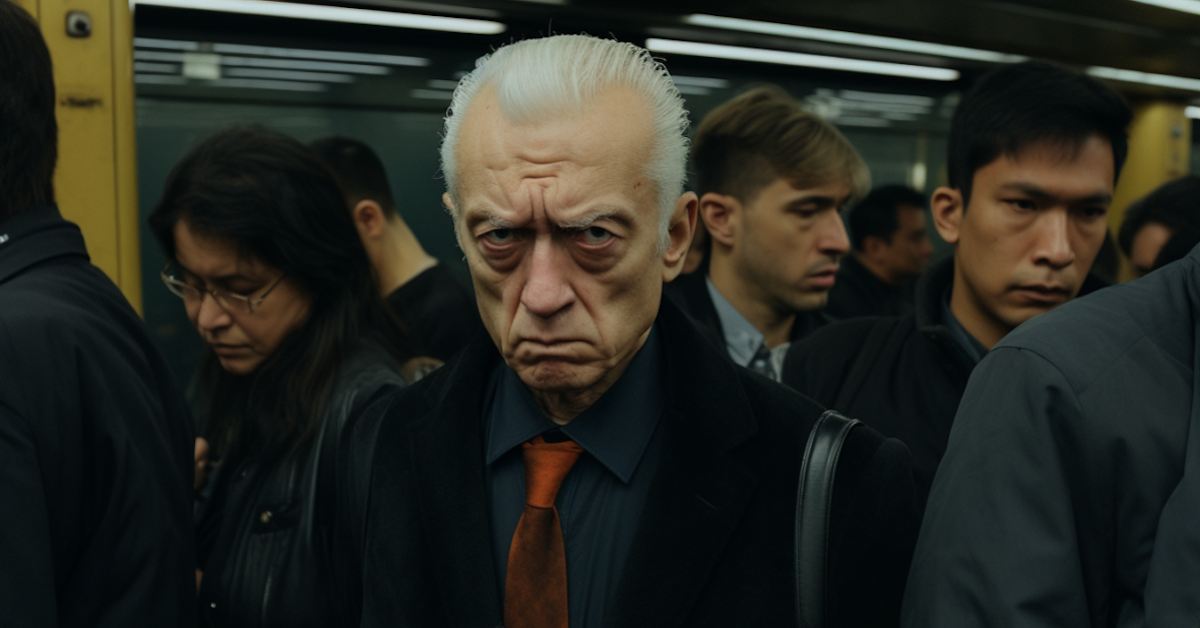
Yesterday, I went to a clinic for some routine tests—nothing urgent or unusual. Beforehand, I asked how much the consultation, analysis, and potential treatment would cost if anything was wrong. They quoted me €90. I compared prices with other clinics and decided to go ahead.
But when I arrived, the doctor simply wrote down what I told him, then sent me to the receptionist to book the analysis I’d already requested. That’s when the receptionist dropped the bomb: €90 for the consultation and €300 for the analysis.
I was stunned. I’d triple-checked the price earlier, and now they were saying, “In case you need analysis, it may cost extra.” This felt like a bait-and-switch. I already asked for an analysis. I knew the approximate costs at other clinics, and this was a standard procedure—they had no excuse for claiming they “didn’t know what analysis you wanted.” I’d been clear from the start.
I got angry. And what if I needed treatment? Would that be another €1,000+, depending on results they couldn’t possibly predict? It felt like a scam. I refused to pay, and after 15 minutes of back-and-forth, they let me leave without paying. I was fully prepared to call the police if needed. At worst, I’d assumed I’d pay the original €90.
The Lesson: Bad Days Happen
I’m a happiness coach, but I’m not immune to life’s frustrations. The world happens. People look at you funny. Someone says something rude. Things break. People try to cheat you. Values get violated. It’s normal, daily, and predictable—even for me, as I’m not immune to the injustices happening in the world or the challenges in my own life.
We can’t always know what will go wrong, but we can know that something will. So while we can’t place a pillow where we’ll fall, we can keep a pillow ready at all times.
How I Handled It
Yes, I got angry in the moment. But I also knew how to regulate my emotions and return to happiness as quickly as possible. Here’s what I did:
- Avoided negative coping mechanisms: No alcohol, overeating, or taking my frustration out on others.
- Channelled my energy positively: I went for a run, hit the gym, listened to music I love, and enjoyed a good book.
- Reflected on the situation: I broke it down—what went wrong, what I could’ve done better, and how to prevent it in the future.
- Vented to a friend: Sometimes, just talking it out helps.
Essentially, I had a healthy emotional response because I was prepared. I didn’t give in to vices, which should be a normal way of living—but often isn’t. This is especially true in today’s mental health crisis, where daily frustrations—like my experience at the clinic—happen all the time and can feel overwhelming.
The Power of Choice
As William James said, “The greatest weapon against stress is our ability to choose one thought over another,” and it is what defines our experience. Bad things will happen. As Mike Tyson famously put it, “Everybody has a plan until they get punched in the mouth.” Life will punch you—figuratively, hopefully—and it’s not a question of if, but when.
So plan to get punched. Expect it. Prepare for it.
The Promise of Optimal Happiness
The tools to handle life’s punches are already within reach. You can learn to be happy today and forever—no matter who you are, where you’re from, or what life throws at you. It’s about choosing the most effective thoughts and responses for every situation.
This is the core message of Optimal Happiness: You can thrive despite everything.
Stay happy—even when life punches you in the mouth… repeatedly…













2 thoughts on “How to Survive a Bad Day (And Continue Happy)”
Being the author of “The Happy Old Lady”, I can fully relate. I do my best to stay on the Happy side of life, but a day or two pops up here and there that challenges the Happy vibe. Looking forward to your book.-Susan
Thank you for support The Happy Old Lady :) keep the good vibes rolling!